The Quiet Disruption
How Fintech Startups Are Changing Everyday Transactions
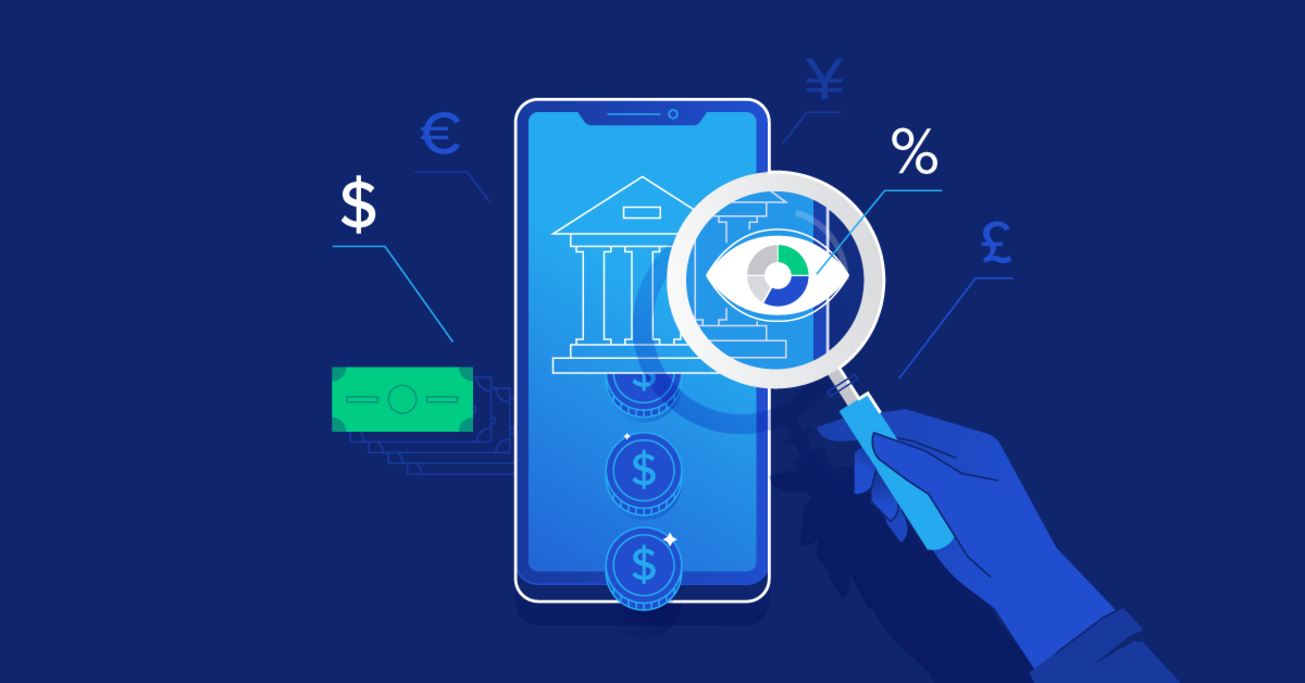
Introduction: The Shift You Didn’t See Coming
In the past decade, financial technology has quietly transformed how billions of people interact with money. What started as simple mobile payment apps has evolved into a comprehensive ecosystem that challenges traditional banking at every turn. This isn’t just about convenience—it’s a fundamental shift in how we think about money, transactions, and financial services. Fintech startups have identified pain points that traditional institutions either ignored or couldn’t solve, and they’ve built solutions that are faster, cheaper, and more user-friendly.
1. Everyday Transactions, Reinvented
Remember when paying for coffee meant fumbling with cash or waiting for a card transaction to process? Today, a simple tap or scan completes the transaction in seconds. Companies like M-Pesa in Kenya, Paytm in India, Revolut in Europe, and Cash App in the United States have made peer-to-peer payments as easy as sending a text message. These platforms didn’t just digitize existing payment methods—they reimagined them. They eliminated the need for physical currency, reduced transaction fees, and made financial services accessible to people who were previously excluded from the banking system.
2. The Power of Data and Personalization
Fintech companies leverage data analytics and artificial intelligence to offer personalized financial services. Your spending patterns, income, and financial goals are analyzed to provide tailored recommendations, from budgeting advice to investment opportunities. This level of personalization was unimaginable with traditional banks. Now, your financial app knows you better than you know yourself, helping you make smarter financial decisions and avoid costly mistakes.
3. Financial Inclusion as a Catalyst
Perhaps the most significant impact of fintech is its role in financial inclusion. Millions of unbanked and underbanked individuals now have access to financial services through their smartphones. Companies like Tala, Branch, and Flutterwave are bringing banking services to regions where traditional banks couldn’t or wouldn’t operate. This isn’t just good for business—it’s transformative for entire communities. People can now save money securely, access credit, make payments, and build financial histories that open doors to more opportunities.
4. Security and Trust in a Digital Era
As financial services move online, security becomes paramount. Fintech companies have invested heavily in encryption, biometric authentication, and blockchain technology to protect user data and transactions. While concerns about digital security persist, fintech companies have often proven more secure than traditional banks, with faster fraud detection and more responsive customer service. The trust barrier is being broken down, one secure transaction at a time.
5. The Future: Invisible Finance
The next phase of fintech evolution is making finance completely invisible. Payments will happen automatically in the background. AI-driven budgeting will optimize your spending without you lifting a finger. Your financial health will be managed proactively, not reactively. We’re moving toward a world where managing money becomes as seamless as breathing—you don’t think about it, it just works. This is the quiet disruption that’s reshaping our relationship with money.
Conclusion: The Quiet Revolution Continues
The fintech revolution isn’t slowing down. It’s accelerating, expanding into new markets, and solving problems we didn’t even know we had. Traditional financial institutions are either adapting or being left behind. As consumers, we’re the beneficiaries of this disruption. We have more choices, better services, and greater control over our financial lives. The quiet disruption is here to stay, and it’s only getting louder.